

U.S. President Donald Trump has found himself in the MMA news headlines recently because of his announcement of a UFC card that will take place on the White House lawn next July 4. Congress is also in the headlines for the discussion and possible passing of the Muhammad Ali Boxing Revival Act.
But another piece of politics is about to swoop in and potentially affect professional bettors, according to Gianni "The Greek" Karalis, host of The Gambler's Perspective and UFC On The Line.
The One Big Beautiful Bill Act (OBBBA) is a piece of legislation that focuses on tax and spending, as part of President Trump's financial-related policies. This bill, however, can also come at a cost to gamblers.
The bill proposes that professional bettors could be taxed on gross winnings without being allowed to deduct their losses. In other words, even gamblers who finish with more losses than wins could still owe.
"It's basically saying that it could force some bettors — key word there — some, to pay income tax even in years when they have net losses in gambling," Karalis told James Lynch in a recent interview. "It could significantly hike the tax burden on professional sports bettors."
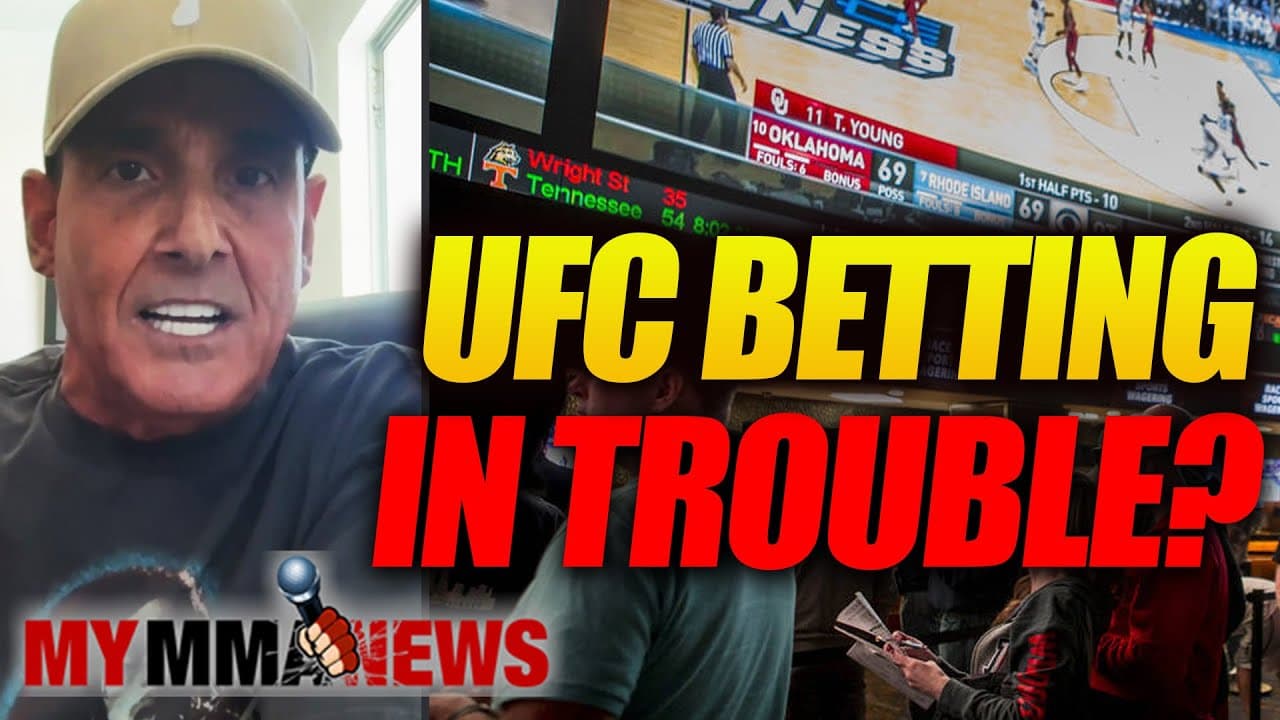
Gianni The Greek: How Sports Gamblers, Including MMA Bettors, Are Affected By The One Big Beautiful Bill
Traditionally, professional gamblers could deduct losses from winnings when filing taxes, effectively being taxed based on net income. OBBBA threatens that by eliminating loss deductions. That's the equivalent of taxing an investor for every winning trade while ignoring the losing ones.
Karalis explains this as "the problem," as it defies a gambler's accounting principles.
"You can no longer write off your losses against your wins like you used to before," Karalis said. "I mean, the bottom line is this: you could lose money and still have to pay taxes as if you were profitable. That's the negative of this."
Karalis does say, however, that most bettors will not be affected, as this portion of the bill targets professional bettors, rather than recreational ones. According to Karalis, only about 0.5 percent of bettors can be considered profitable and will be the most affected.
"99.5 percent of sports bettors have negative lifetime earnings," Karalis said. "Who this is going to affect is that half a percent that truly makes their living in betting sports."
There are two possible motives for this governmental action, according to Karalis. The first is a form of government money grab, similar to when states actively passed recreational marijuana laws in order to gain the tax revenue. The U.S. federal government may see sports betting -- as an untapped goldmine, and it wants a bigger piece of the pie.
The Professional and Amateur Sports Protection Act (PASPA) previously barred sports betting in most states. When the Supreme Court ruled the act unconstitutional in May 2018, states were allowed to decide on its legalization.
Karalis' other theory is that sportsbooks themselves may have lobbied for this part of OBBBA. While winning bettors may represent a tiny fraction of users, they may present a major threat to profit margins. In other words, severely hampering these winning bettors protects the bottom line. By making the environment toxic for sharps, they encourage a casual betting pool dominated by losing wagers.
Karalis compared this to a shift that was seen in casinos when blackjack payouts went from 3-to-2 to 6-to-5 as part of their efforts to stop card counters.
"To most tourists, the most recreational bettors, they don't see the difference," Karalis explained. "They don't know the difference between blackjack paying three-to-two or six-to-five. But for a card counter, that simple rule made the game unbeatable. So someone like myself that's an advantaged blackjack player, if I see a table that says six-to-five blackjack, I can't beat that game no more. The edge has changed."
Three groups are most at risk with the bill's passage, according to Karalis. One, as mentioned, are those professional sports bettors whose success relies on those onscreen, regulated sportsbooks who report to the Internal Revenue Service (IRS), including FanDuel and DraftKings.
The second group are the scalpers and middlers, including younger bettors, who depend on quick, narrow-margin trades across multiple books. Karalis stated that "It may even shut down a lot of those shops…because the margins are small...you got to question now: Is this endeavor still worth it?"
Lastly are the handicappers who work solo or in small groups, without access to "off-screen" credit-based betting systems.
Those offshore books and underground markets can offer one potential workaround, according to Karalis. They, however, do not come without great risk and aren't available to all bettors. While off-screen books, often offshore and illegal, are preferred by pros for tax and liquidity reasons, high-stakes bettors would need millions tied up in regulated accounts that earn no interest. This, according to Karalis, would make on-screen betting financially inefficient.
"There's not very many people worth seven figures who are willing to leave that money sitting in a sportsbook account getting zero return," he said. "You could put it in Coinbase and get four percent."
Though most in the sports gambling world felt negative reaction in the industry to the OBBBA was an overreaction, concern among full-time bettors is growing. As the new tax reality sets in, some professional gamblers are considering a re-evaluation of their systems and the potential end of their careers, especially if they rely on razor-thin profits.
Karalis says this may even stretch to content creators and side hustlers, including the previously-mentioned scalpers. He adds there are also questions around how bad this will impact younger and newer pros.
"They're definitely being forced to reorganize their business model," Karalis said. "I would not be surprised if a handful do realize maybe it's not as profitable — and move that capital elsewhere with less risk."
When describing how he personally is affected, Karalis says that since 90 percent of his betting is off-screen, he isn't as affected as other professionals. OBBBA, however, may affect his side hustle due to regulated betting use; it would force him to use the regulated sportsbooks.
Karalis says that he sees no upsides in OBBBA for sharp bettors and that the bill could shift the landscape by making professional sports betting less viable in the U.S. He implies it could lead to brain drain or push more betting activity to offshore books.
"Talking to serious guys out here in Vegas, even professional poker players, let alone sports bettors, who are like, 'Dude, I don’t know if I can continue doing this the way I've been doing it and be profitable anymore,'" Karalis said.
OBBBA could usher in a new era where the house edge isn't just built into the odds -- it's written into law.